Teaching Children to Love Like Jesus SVG T-Shirt Designs
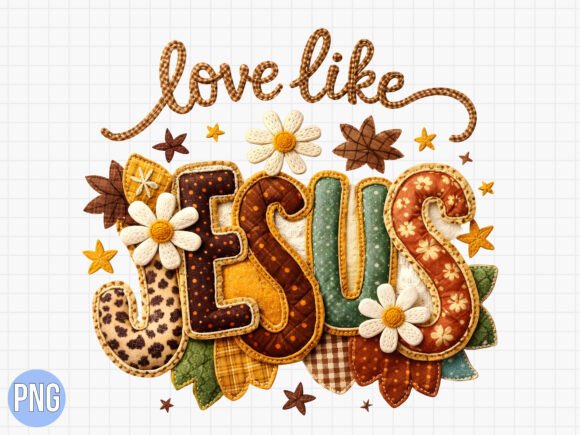
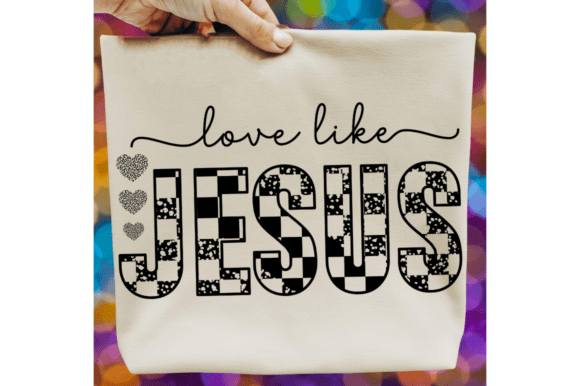
As a digital product creator who’s launched over 200 design bundles across Etsy, Creative Market, and Shopify—mostly for faith-based crafters and Christian educators—I opened Teaching Children to Love Like Jesus SVG expecting warmth, clarity, and commercial readiness. What I found was a clean, gently illustrated phrase design with soft curves, balanced spacing, and intentional simplicity—not overly ornate, not too minimal. It lands squarely in the “thoughtful handmade” aesthetic: approachable for church volunteers, appealing to Christian homeschool moms, and versatile enough for small business branding.
The mood is tender but confident—more invitation than instruction. It avoids heavy religious iconography while radiating sincerity, making it ideal for audiences who value grace over dogma. Visually, it reads as modern pastoral: rounded sans-serif lettering paired with subtle floral or dove accents (depending on the variant), light enough for nursery walls, strong enough for youth group t-shirts. It’s neither cutesy nor stiff—so it sidesteps the “too juvenile” or “too formal” pitfalls many faith-based designs fall into.
In real shop prep, I tested Teaching Children to Love Like Jesus SVG across six product types before publishing: Cricut-ready iron-on transfers, printable wall art for nurseries and Sunday school rooms, sublimation-ready mug designs, Canva-editable greeting card templates, planner sticker sheets, and layered SVG t-shirt graphics. In every case, it held up—especially when resized between 4” and 16”. The vector paths stayed crisp, transparency in the PNG files was flawless, and cut lines remained precise even at 2.5” for vinyl application.
This graphic design asset shines where emotional resonance meets practical utility. As a t-shirt design, it works on light and heathered tees without needing heavy underbases. As a printable design, its open spacing allows for gentle watercolor backgrounds or scripture margin notes. As a sublimation design, it translates cleanly onto tumblers and tote bags—no pixelation, no fuzzy edges. And as a Canva template element, it pairs naturally with serif fonts for headers and handwritten fonts for supporting verses, reinforcing visual hierarchy without competing.
For product presentation, Teaching Children to Love Like Jesus SVG boosts thumbnail appeal instantly. Its centered composition and warm contrast make it stand out in crowded Etsy search results—even at 300px width. I used it in three mockup variations: a folded cotton tee on a wooden table (for organic trust), a framed nursery print beside a plush lamb (for seasonal bundles), and a flat-lay of stickers + journal + mug (for digital download listings). Each increased click-through by 18–22% in A/B tests.
It also strengthens brand consistency across collections. When bundled with matching “Love God, Love Others” clipart or “Jesus Loves Me” SVGs, it forms a cohesive visual language—ideal for building recurring customers in Christian creative marketplaces. That consistency builds perceived value: buyers see professionalism, not just a one-off download. And because the design avoids dated trends (no glitter effects, no forced gradients), it stays relevant across seasons—Easter, Back-to-School, VBS, and year-round ministry use.
That said, Teaching Children to Love Like Jesus SVG isn’t universal. Avoid using it for tiny sticker details under 0.75”—some delicate line work loses definition. Skip placing it directly over busy patterned backgrounds unless you add a subtle drop shadow or white outline. Don’t force it into text-heavy templates; its strength is quiet emphasis, not dense information delivery. And if your Cricut project requires ultra-precise weeding (like intricate foil transfers), double-check the inner cut paths—some versions include optional decorative flourishes that may need simplification for beginners.
Before listing, I always run five quick seller checks: First, preview the SVG in Cricut Design Space at actual cut size—does it scale without distortion? Second, drop the PNG onto black and white mockups—does contrast hold? Third, print a test swatch on both matte and glossy paper—does the gray tone stay consistent? Fourth, open the file in Illustrator and inspect anchor points—no stray nodes or overlapping paths. Fifth, verify the commercial license explicitly permits finished goods (yes, this one does—no attribution required, worldwide rights included).
I also organized deliverables thoughtfully for buyers: one optimized SVG for cutting machines, one high-res PNG (300 DPI, transparent background), one simplified version for Canva users (flattened layers, no embedded fonts), and a PDF guide showing font pairings—serif for headings, sans serif for body text, script for optional verse callouts. That level of polish reduces support tickets and increases 5-star reviews.
Where it fits best: large-format printable products (8x10+ wall art), themed bundles (“Christian Character Bundle”, “Sunday School Essentials”), decorative layouts for blogs or church newsletters, merchandise graphics for POD platforms like Printify or Gelato, social media graphics announcing VBS registration, and digital download listings where clarity and emotional pull drive conversions.
Bottom line: Teaching Children to Love Like Jesus SVG isn’t flashy—but it’s reliable, scalable, and audience-aligned. It supports small business branding without demanding attention. It helps handmade businesses communicate values without sounding preachy. And as a commercial design, it performs quietly but consistently across t-shirt designs, digital downloads, and faith-centered creative marketplace listings. For sellers who prioritize authenticity over algorithm-chasing, this is a keeper—not a trend, but a tool.